
The short answer
CoolVantage HVAC Service repairs furnaces in Mountain View homes, diagnosing problems like failed igniters, dirty flame sensors, short cycling, and cold air from the vents. Bay Area Air District rules don't require replacing a working furnace, so repair is often the practical choice when the unit is otherwise in good shape.
Mountain View winters are mild by most of the country's standards, but cold, damp mornings from late fall into early spring still lean on your furnace. When it won't light, blows cold air, short-cycles, or starts making a new noise, CoolVantage HVAC Service sends a technician from San Jose, about 15 miles southeast, to find the cause and fix it. This page covers the furnace problems we commonly see in Mountain View homes, what happens during a repair visit, and how the Bay Area's appliance rules affect a repair-or-replace decision.
How Mountain View's climate affects your furnace
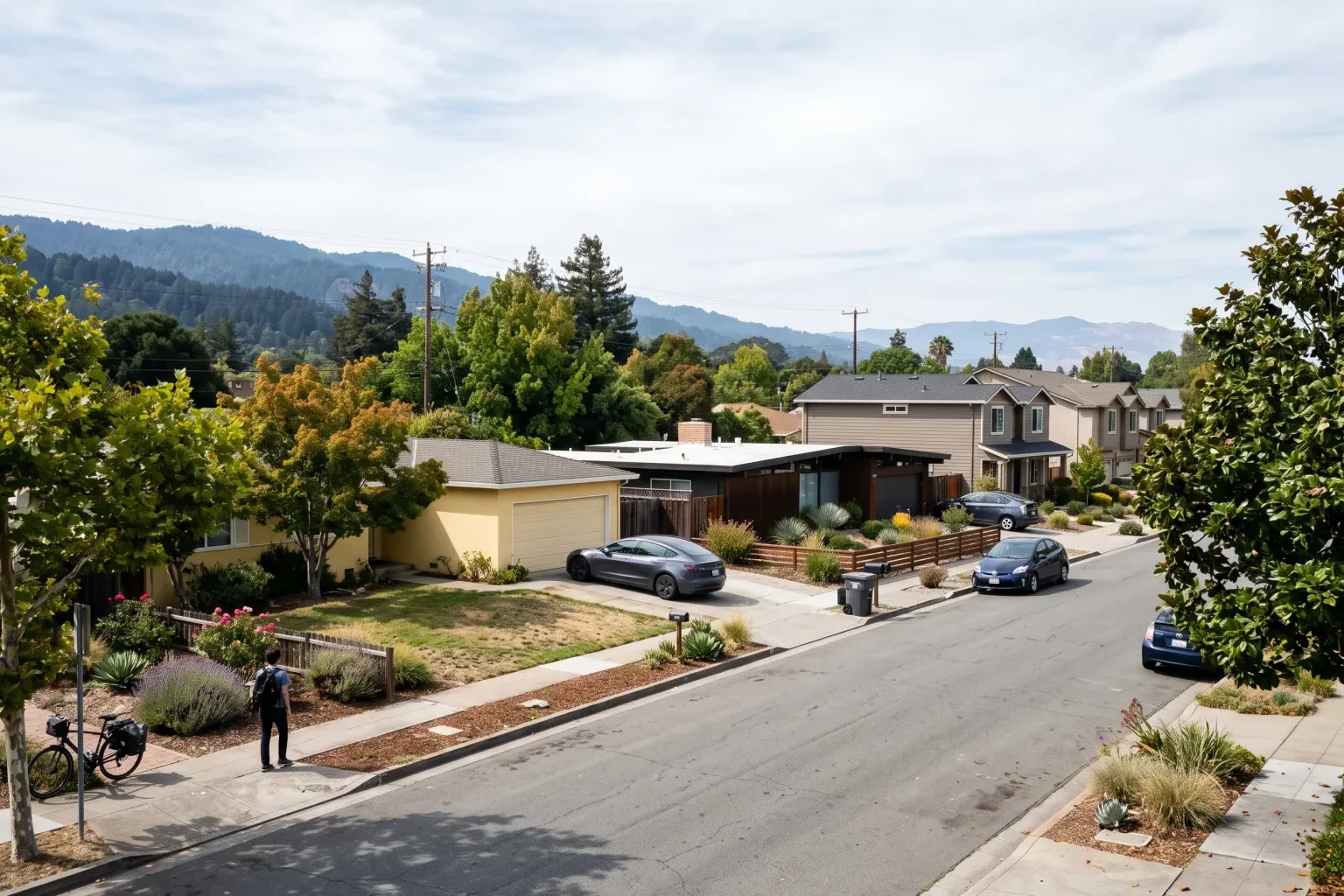
The Santa Clara Valley has a Mediterranean climate, with dry summers and mild, damp winters. For a furnace, that means long stretches of sitting idle followed by bursts of use on chilly nights and mornings. Equipment that runs only part of the year tends to reveal its problems all at once, usually during the first cold week of the season.
Dust settles on burners and the flame sensor over the summer. A filter that wasn't changed in spring restricts airflow. Damp winter air can add to corrosion on older components and venting. None of this is unusual, but it explains why a furnace that worked fine last March can refuse to light in November.
A faint burning smell for the first few minutes of the season is often just dust burning off inside the furnace. If it lingers, or if you smell gas, that's a different situation. See the safety note below.
Furnace problems we repair in Mountain View homes
Most furnace calls fall into a handful of patterns. Here's what we commonly find and fix:
- No heat at all: tripped breakers or service switches, blown control fuses, failed igniters, or a thermostat that isn't sending a call for heat.
- Burners light, then shut off: a dirty or failing flame sensor, a pressure switch problem, or a blocked vent or condensate line on high-efficiency units.
- Blower runs but the air is cold: an ignition failure, a gas supply issue, or an overheating furnace that has shut its burners off for safety.
- Short cycling: a clogged filter, a poorly located thermostat, or a limit switch tripping because of restricted airflow.
- New noises: squealing or grinding from blower motor bearings, a bang at startup from delayed ignition, or rattling from loose panels or ductwork.
- Uneven heat between rooms: leaky ducts, closed or blocked registers, or a blower set to the wrong speed.
- Repeated error codes: we read the control board's diagnostic codes and trace them to the part that actually failed instead of just resetting the unit.
What happens during a furnace repair visit
Our technician starts by asking what you've noticed: when the problem began, what the furnace is doing, and any smells or sounds. Then we check the basics before opening the cabinet, including thermostat settings, power and breakers, the filter, and the gas supply.
From there we test ignition, the flame sensor, safety switches, the inducer and blower motors, and the control board, and we inspect the venting and heat exchanger area for signs of trouble. We also check for carbon monoxide around the appliance. Once we find the cause, we explain it in plain terms and walk you through the repair options before doing any work.
Safety note: if you smell gas, don't try to relight the furnace or flip electrical switches. Leave the house and call your gas utility or 911 from outside. Every home with a gas furnace should also have working carbon monoxide alarms.
Repair or replace? What Bay Area rules mean for you
If your home heats with a natural gas furnace, the Bay Area Air District's appliance rules may come up during a repair visit. The key point is that these rules don't require you to replace a furnace that still works. They apply only when an existing furnace fails or is replaced.
Under the Air District's furnace rule, gas furnaces manufactured from 2029 on must meet a zero-NOx emission standard. In practice, that points homeowners toward heat pumps when they replace a furnace after that date. If your furnace is aging and facing a major repair, it's worth weighing that timeline. If it's in good shape, repairing it is usually the sensible choice.
On incentives: the federal Energy Efficient Home Improvement Credit covered qualifying heat pumps placed in service before December 31, 2025, and isn't available for new installations now. Bay Area homeowners can still check BayREN and their local clean energy provider for heat pump and electrification incentives. Those change by funding cycle, so we confirm what's currently offered before including it in any quote.
Serving Mountain View and nearby cities
We provide furnace repair throughout Mountain View, including ZIP codes 94040, 94041, and 94043. Mountain View is in Santa Clara County, about 15 miles northwest of our San Jose base, so it's a regular part of our service area.
We also repair furnaces in nearby Los Altos, Sunnyvale, Cupertino, Santa Clara, and Saratoga. If your furnace isn't keeping up this winter, contact CoolVantage HVAC Service to schedule a visit.
More services in Mountain View
- AC Repair in Mountain View
- Heating Repair in Mountain View
- Heat Pump Installation in Mountain View
- AC Installation in Mountain View